

Ok, so let’s cut straight to the chase.
The World Cup 2026 doesn’t need a last 32 stage. Make no mistake, more games is a win for fans, for broadcasters, for FIFA’s revenue.
But is it good for the majority of players, on the back of an already congested calendar, or will the extra stage lead to an overall improved quality?
Not a bit of it.
As a starting point then, you can probably guess my views on a 48-nation World Cup. We are where we are, but forgive me for not wholeheartedly embracing it – particularly the new last 32, a format named by others, not I, as chaotic.
As a bit of background, the number of teams in the tournament is increasing from 32 to 48 nations who have been divided into 12 groups of four which will lead to a total of 72 group stage matches.
Then we will progress to the new round of 32: the knockout stages which will feature the top two teams from each group (24), plus the eight best third-place teams. Eight!
Before you say it, yes I know it’s madness that as many countries as took part in the whole of the last tournament will still be involved after the group stages.
More World Cup 2026 highlights? Yes. An extra assortment of SBOTOP World Cup 2026 betting odds to feast upon? Most definitely.
But will the quality of the football be any better?
Certainly, with a few exceptions, I think the majority of the group stage games could be fairly predictable until the real excitement begins later on.
A post I read from a football fan earlier this week summed it up well actually and echoed sentiments I have already expressed on these pages about the format changes in the European club game.
He wrote: ‘The move to 48 teams basically eliminated what made the group stage so compelling. Those nail-biting scenarios where powerhouse nations could crash out after two games are pretty much gone now.
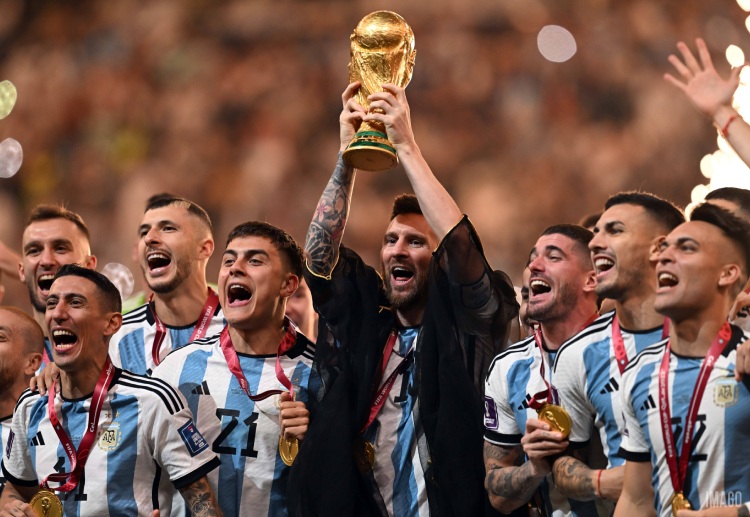
‘Remember how intense it was watching Argentina sweat bullets after losing to Saudi Arabia? That kind of pressure just won’t exist anymore since teams can advance in third place. The whole dynamic changes when you know the big names have multiple safety nets.
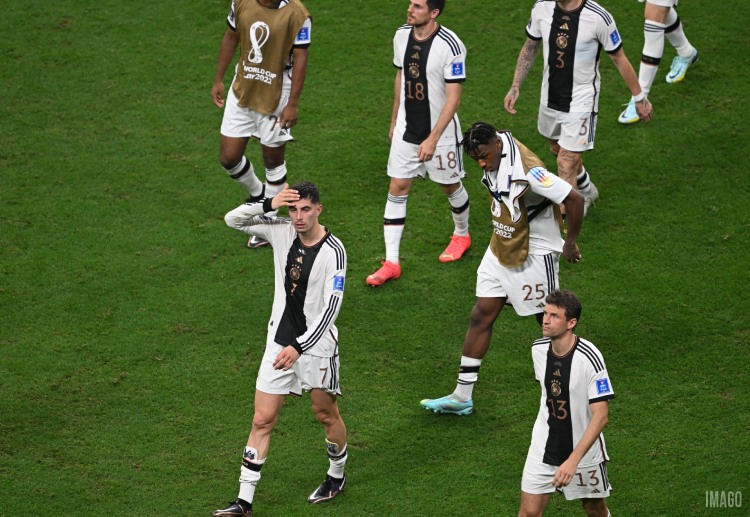
‘Spain’s group from Qatar was perfect example of peak World Cup drama – three legitimate contenders all fighting for survival until the very last minute of the final matchday. Germany hanging by a thread, Japan playing spoiler, Spain scrambling to avoid elimination. That’s the kind of chaos that made the tournament special.
‘With the new format, you’re basically guaranteed to see all the marquee teams cruise into the knockouts. Sure, we get more games but at what cost? The group stage used to be must-see TV because anything could happen. Now it feels more like a formality before the real tournament starts.
‘Maybe I’m being too nostalgic, but those Groups of Death were what separated the World Cup from every other competition. Now it just feels watered down.’
It’s hard to argue with any of that.
Now nations can realistically lose two of their three group games and still reach the knockout stages. How does that look in what is supposed to be the grandest stage of all for the world’s favourite sport?
While the new round of 32 means teams will have to play eight matches to win the tournament, compared to seven at the 2022 World Cup, it shows that lip service has been paid to regular concerns, expressed by player organisations and managers, about the demands on players.
We were told FIFA was to set up a task force to look at player welfare and “principles such as mandatory rest periods”.
Yet very little appears to have changed. If that was the case, surely the tournament would not be expanding and would not be introducing an increase from 64 to 104 games across 39 days.
On June 11, Mexico will launch the World Cup at the iconic Estadio Azteca – set to become the first venue ever to stage three tournament openers. They will play South Africa in the opening match.
The competition will conclude with the final on July 19 at New Jersey’s MetLife Stadium, which also hosted last summer’s Club World Cup final between Chelsea and Paris Saint-Germain.
As far as I am concerned, a bloated World Cup 2026 shows why football desperately needs an independent regulator to do FIFA’s job of caring for the global game.
For a wee while in June, before the drama returns in July, there is a real danger that ‘more, more, more’ could become ‘bore, bore, bore’.
●●●
CHECK OUT OUR BLOG FOR MORE FOOTBALL STORIES & ODDS
Stay updated with everything sports and betting.